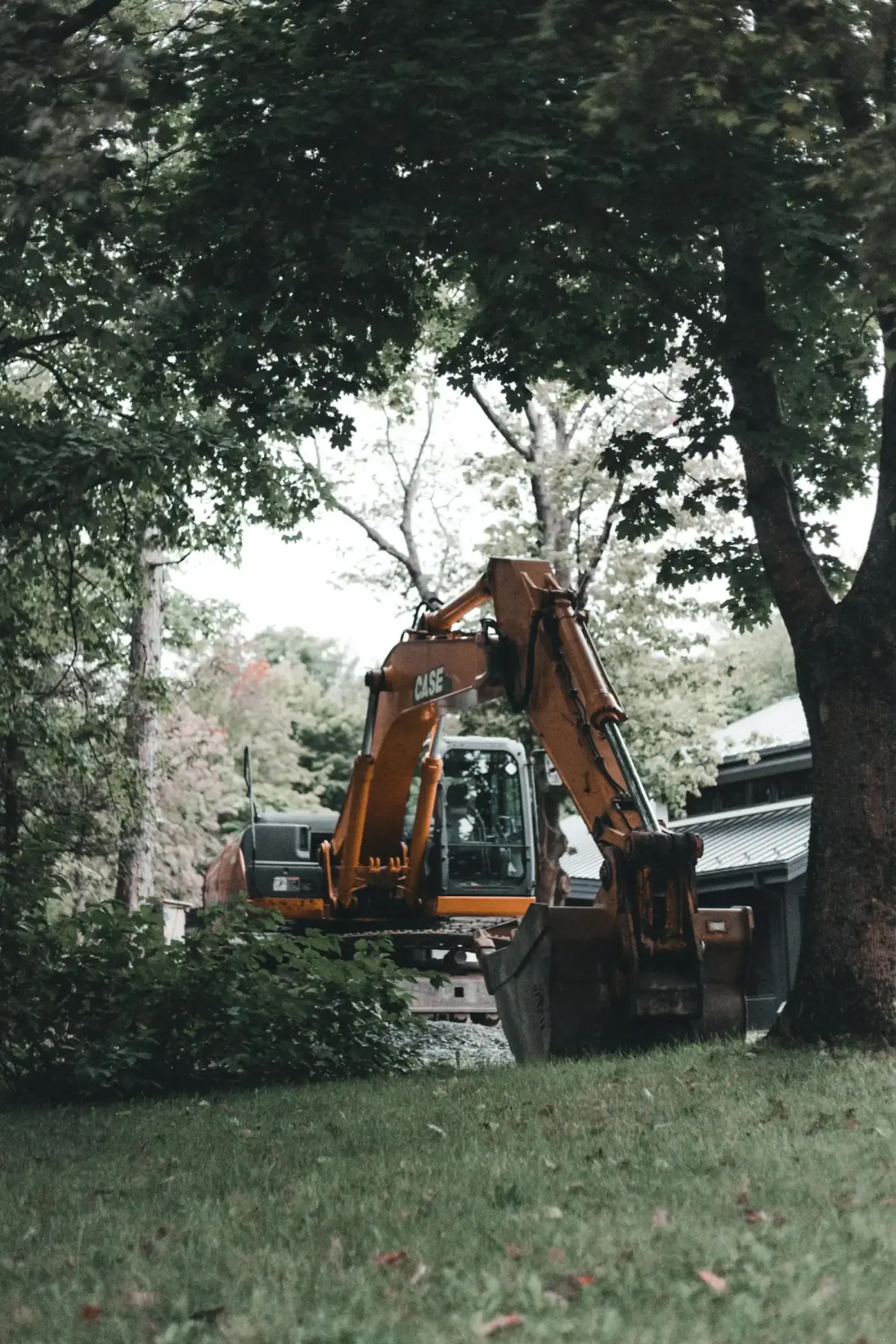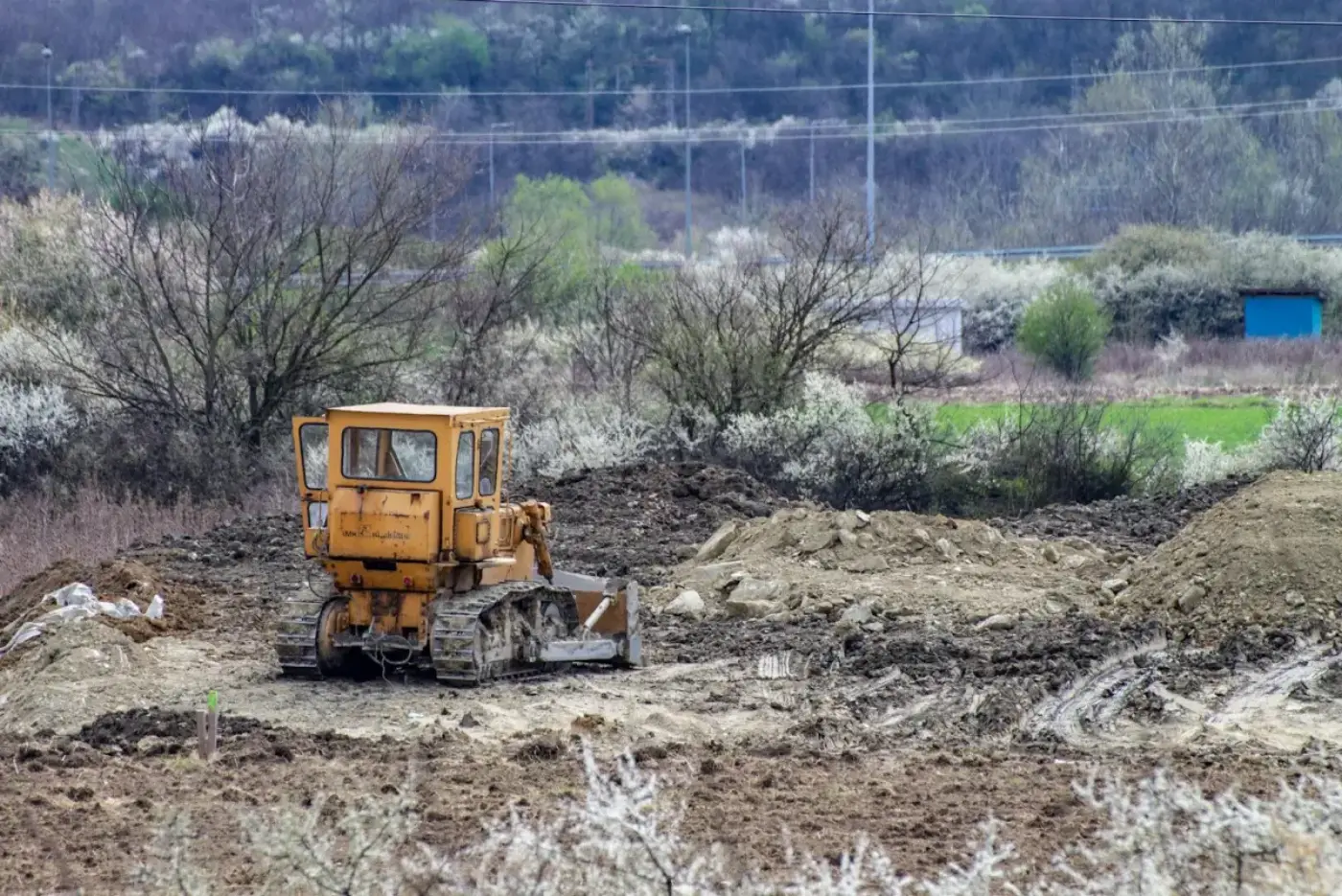
Clearing quotes swing because land swings: an acre of palmetto and scattered pine is a different day than an acre of mature hardwood over wet ground. The pricing logic is knowable, and photos plus a walk fix the number fast.
Vegetation density and size
Palmetto and brush mulch quickly; pines yield to a mulcher up to moderate diameters; big hardwoods mean felling, processing, and hauling decisions. Stem counts per acre — not acreage alone — set the machine-hours.
Method: mulch in place or grub and haul
Forestry mulching grinds vegetation where it stands — fast, no haul-off, leaves a mulch mat that fights erosion. Grubbing removes roots and organics for build-ready ground at real haul-and-fill cost. Pasture and view work wants mulching; construction pads need grubbing where they'll bear load.
Ground conditions and access
Duval-area lowlands hide soft spots that swallow machines; wet seasons change what equipment can work. Narrow easements, existing structures, and protected trees shape the plan, and gopher-tortoise or wetland flags change it entirely — survey first beats surprise fines.
Disposal and the finish spec
Burn permits when conditions allow, haul-off priced by load when they don't, mulch left as ground cover when the use permits. The finish — rough-cleared, root-raked, or grade-ready — is the spec that separates two honest quotes; name it before comparing.
Fixing your number
Photos of representative vegetation, the parcel's acreage and wet spots, and the finish spec you want — send those and the estimate range collapses to a number. A site walk finishes the job.
Beware per-acre prices quoted sight-unseen; land that cheap to quote is usually expensive to clear.