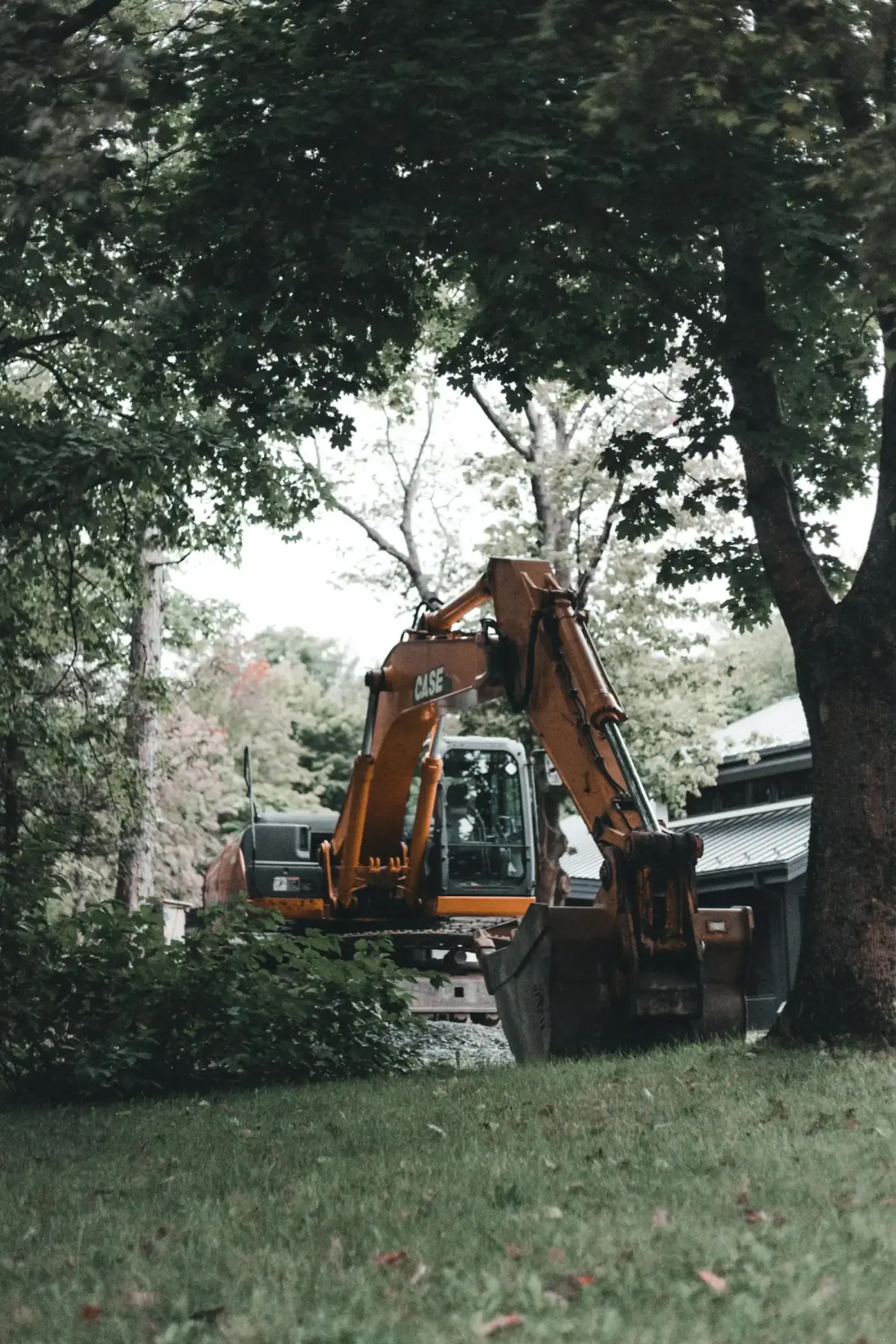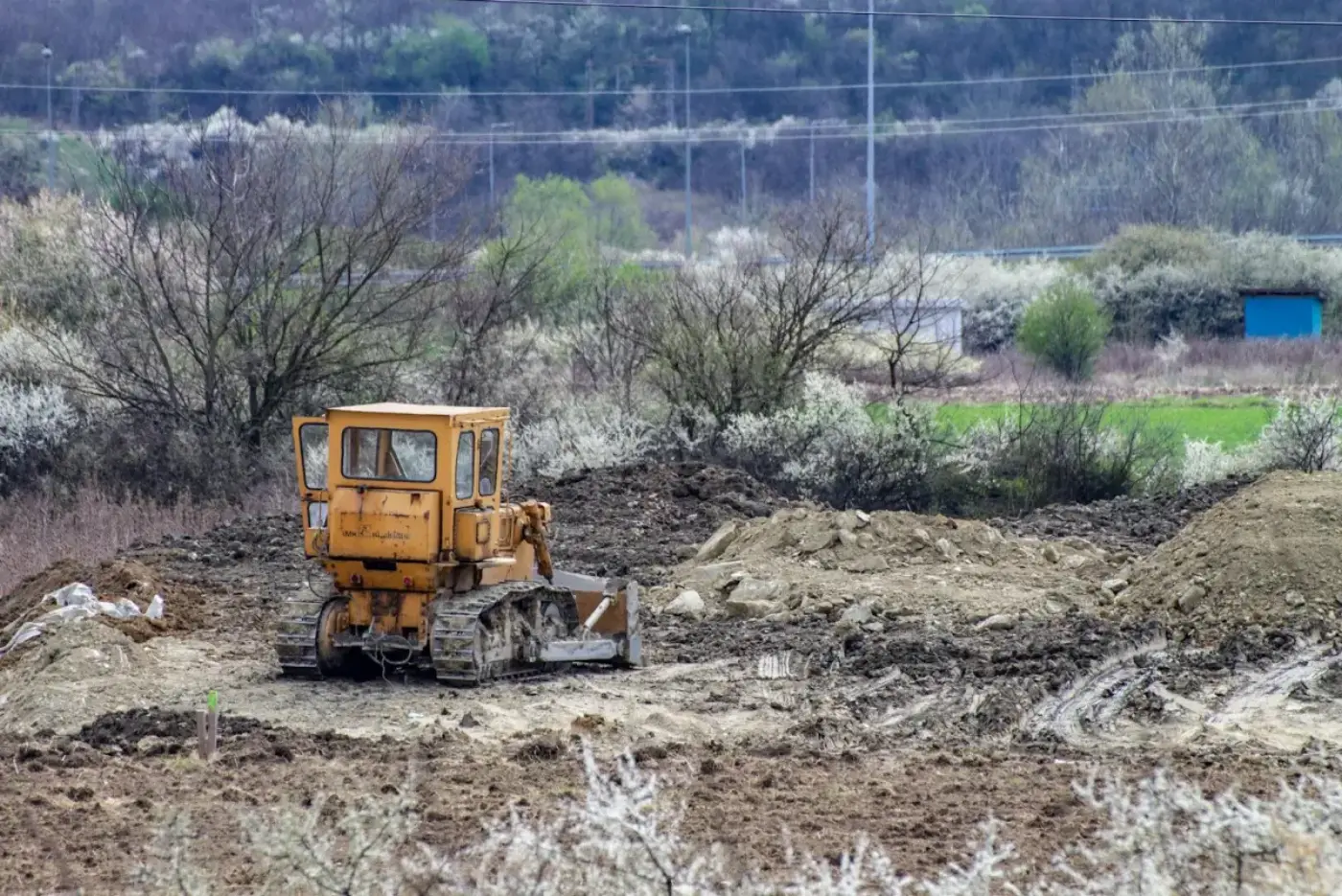
The two clearing philosophies leave different ground: forestry mulching grinds vegetation in place and leaves a protective mat; traditional clearing grubs roots and hauls debris for construction-grade soil. Neither is better — they serve different futures for the land.
What mulching leaves
A walkable surface of chipped vegetation over intact topsoil, roots in the ground, no burn piles, no haul trucks. It is the erosion-friendly, single-machine option — and in palmetto-and-pine country it moves fast per acre.
The roots remain, which matters: paths, pasture, views, and firebreaks are happy; building pads are not.
What grubbing leaves
Bare, root-free earth ready for compaction, fill, and foundations — at the cost of hauling or burning debris and managing exposed soil through Florida rain. Where structures land, this is the requirement, not the option.
Jacksonville's deciding factors
Wetland edges favor mulching's light footprint; sandy uplands take either; construction schedules dictate grubbing under future slabs and driveways. Many Duval-area jobs run hybrid: grub the pad, mulch the rest — one mobilization, two finishes.
Choosing by the land's future
State the end use and the method chooses itself: build, grub; maintain or beautify, mulch; both, hybrid. A contractor who asks about your plans before quoting is doing it right.
The one-question shortcut
What happens on this ground in the next two years? Buildings mean grubbing where they stand; everything else usually means mulching wins on speed, cost, and erosion. Say the plan out loud and the method picks itself.